
In clinic, patients often ask to turn the energy up to the maximum, hoping for a dramatic lift in one go. But experience and the literature agree: with Thermage, higher energy is not always better. Proper treatment is built on individualized parameters and precise energy control — that is how you get results while keeping risk to a minimum.

1. How Thermage works
Thermage is a monopolar radiofrequency (RF) treatment: RF energy heats the skin, triggering collagen contraction and renewal for tightening, better texture and softened fine lines. Unlike HIFU (e.g. Ultherapy) which targets the deep fascia, RF works mainly on the dermis and subcutaneous tissue, and is especially good for surface texture and collagen renewal.
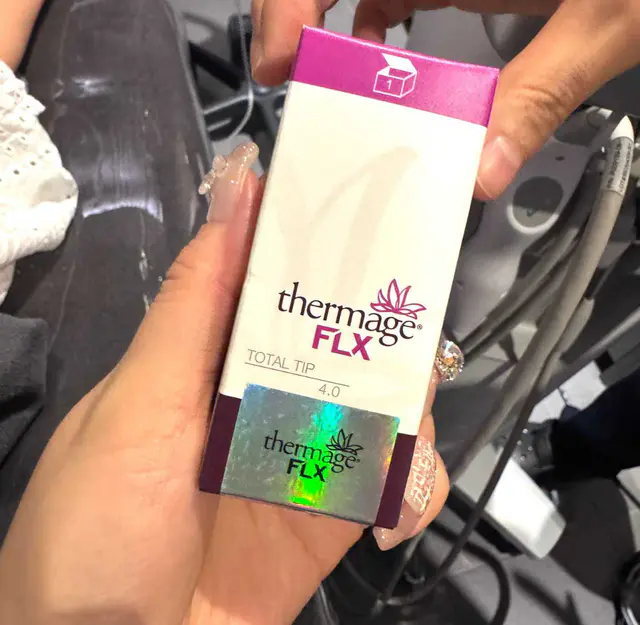
2. Why higher energy is not always better
- Large individual variation: skin thickness, subcutaneous fat, blood supply and nerve sensitivity differ per person, so the same energy produces different heat distribution and tissue response.
- Potential side effects of high energy: excessive energy can cause intense pain, local swelling, epidermal burns, hyperpigmentation (rebound darkening) or even longer-term discomfort.
- Effective energy is not excessive energy: the clinical goal is “effective energy” — enough to reach coagulation and stimulate collagen within a safe range — not blindly raising the number. Heat must be distributed evenly and precisely to the target layer to create a lasting, natural lift.
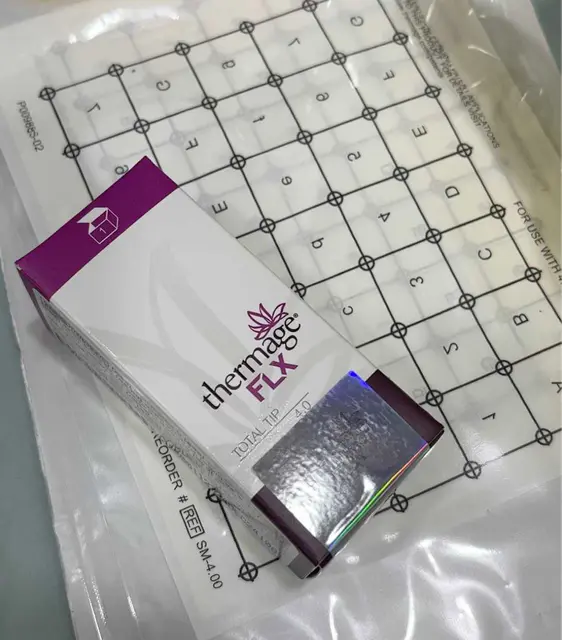
3. How we decide the right energy
- Skin thickness and elasticity: thin skin with little fat has lower tolerance and needs more conservative energy and a gentler pace.
- Age and degree of laxity: for moderate-to-severe laxity where the skin allows, the doctor may raise energy to level 3–4 for a deeper tissue response.
- History and expectations: patients with special skin conditions, chronic inflammation or sensitivity get a low-energy, gradual approach first.
- Tolerance testing: fine-tune to the individual response; if needed, start with test parameters, observe, then expand.
In short, individualized settings — energy level, number of pulses and rhythm — are what decide both efficacy and safety.
4. Before, during and after
Before: the doctor assesses your skin and explains expected results and risks; stop medications or supplements that raise photosensitivity or bleeding risk, as directed. During: guided by your tolerance, energy is adjusted as needed so heat is even and precisely matched to the treatment area. After: you can resume normal activity immediately, but avoid heat (steam room, sauna) and vigorous exercise for 48–72 hours; manage any pain or swelling short-term with cold packs and your doctor’s guidance; return promptly for anything abnormal (severe pain, prolonged redness, pigment changes).
5. Why results differ so much between doctors
The device is only a tool; experience and energy control decide the outcome. A skilled doctor sets suitable parameters for each face shape and skin condition and adjusts in real time, so heat effectively stimulates collagen without over-injury. That is why the same device in different hands can give visibly different results.
FAQ
Q: What does an energy setting of 3–4 mean? Usually a relatively high output, for patients whose skin allows it and who can tolerate more heat, to achieve more visible contraction and collagen remodeling — but it must be assessed by the doctor and kept within a safe range.
Q: How long does one session last? Most patients feel 6–12 months of improvement, with collagen rebuilding continuing for months. Actual duration depends on age, lifestyle, sun exposure and aftercare.
Q: Can I wear make-up and go to work right away? Most patients resume normal life and make-up the same day, but avoid sun exposure or hot environments in the short term.
Thermage is a mature, science-based non-invasive tightening treatment, but success hinges on individualized energy settings and technique. Chasing maximum energy does not guarantee better results — it raises side-effect risk. At consultation, ask how parameters are decided, whether they are adjusted in real time to your tolerance, and what the follow-up and aftercare process is. Choosing an experienced doctor who can clearly explain the strategy and risks is the best way to protect both results and safety.